
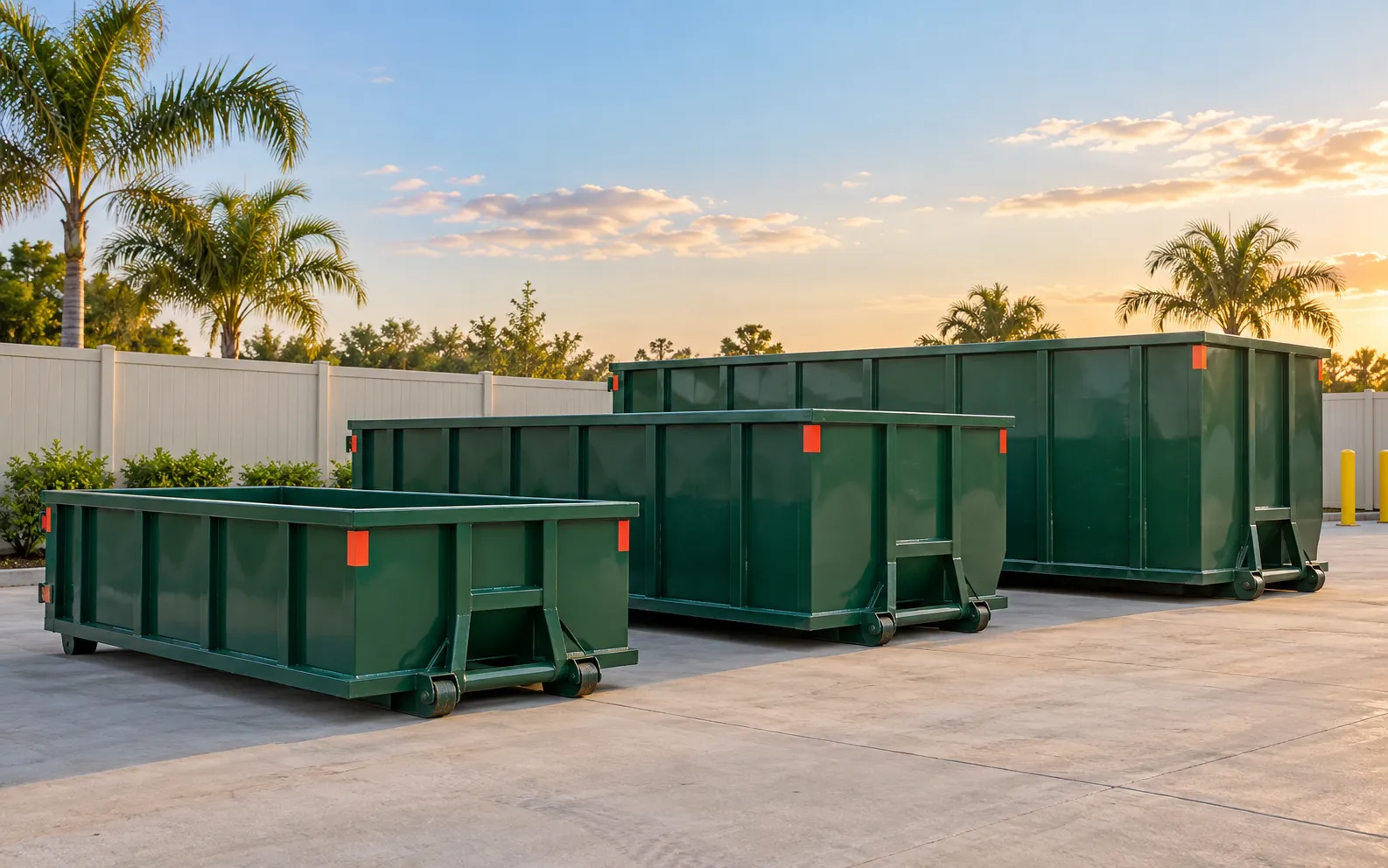
The useful starting point is not a room count. It is a four-part description: what the debris is, how much floor area it covers, how high it is piled, and whether the delivery truck can reach the proposed spot. Text wide photos instead of close-ups, and place a familiar object near the pile for scale when that can be done safely.
Separate volume from weight
Furniture, cabinets, bagged household contents, and flattened boxes take up space before they become extremely heavy. Concrete, soil, brick, tile, shingles, and plaster can do the opposite. They may occupy less visible space while putting far more weight in the container.
Describe heavy material separately. A provider may limit the fill height, recommend a specific container, separate material types, or decline a mixed load. Do not bury dense debris under household material where it cannot be assessed.
Use this decision table before you call
| Question | What to record | Why it changes the choice |
|---|---|---|
| What is leaving? | Furniture, household contents, wood, drywall, tile, roofing, soil, concrete, appliances, or a mix. | Material density and handling rules differ. |
| How big is the pile? | Approximate length, width, and average height, plus photos from two angles. | A rough volume is more useful than “one garage.” |
| Can it be reduced? | Furniture that can be safely disassembled, flattened boxes, and long pieces that can be cut without hazardous dust or unsafe tools. | Air gaps waste container space. |
| How fast will you work? | One weekend, a room-by-room cleanout, or an active remodel with staged demolition. | Rental time and swap timing can matter as much as capacity. |
| Where can it sit? | Driveway width, surface, slope, gate, overhead lines, trees, eaves, and the truck approach. | The right container still needs a deliverable location. |
Measure access, not only debris
Walk the route from the street to the proposed placement area. Look up for wires and branches. Look down for pavers, soft shoulders, irrigation heads, septic areas, and drains. Measure narrow gates and note parked vehicles, sharp turns, and low rooflines.
A photo taken from the street toward the placement area helps show the approach. A second photo from the placement area back toward the street shows the pickup route. The provider still needs to confirm whether the site works for its equipment.
Leave margin for the last day
Cleanouts grow as drawers, closets, and shelves are opened. Renovations produce offcuts, packaging, broken material, and sweep-up debris after the main demolition. A container packed to its practical limit too early can leave the final material stranded.
Margin does not mean loading above the rim. Every item should stay inside the container walls and below the top edge. If the project grows, call before adding material that changes the approved load.
Call with this five-line brief
- Service address and proposed placement surface
- Main material and any dense or unusual items
- Rough pile measurements and two wide photos
- Preferred drop-off and pickup timing
- Gate, overhead, street, association, or permit constraints
Use the answer to compare the recommended container, included terms, weight treatment, prohibited items, rental period, and pickup process. A clear quote is more useful than choosing by the largest advertised size.
Next: review what can go in a residential dumpster before the first item is loaded.